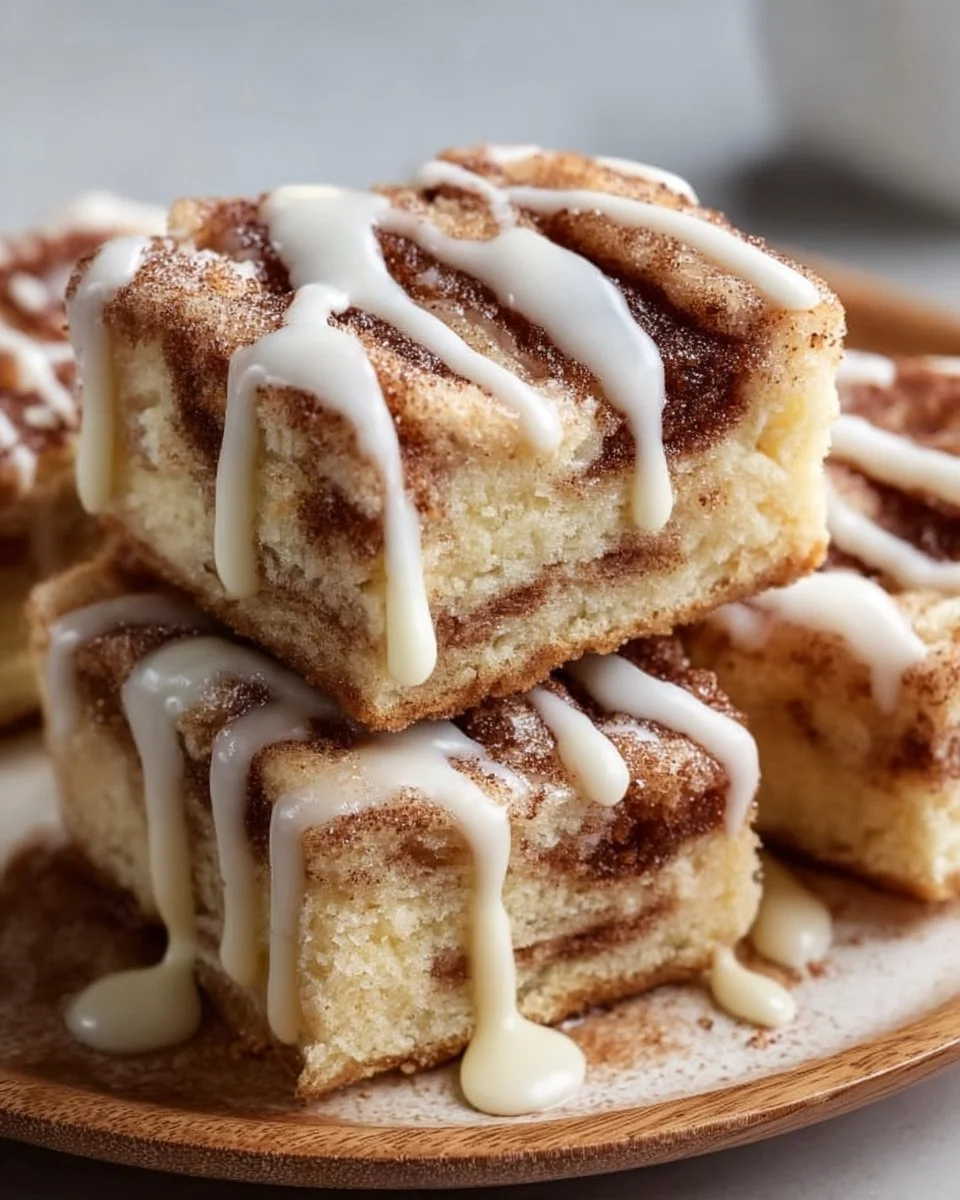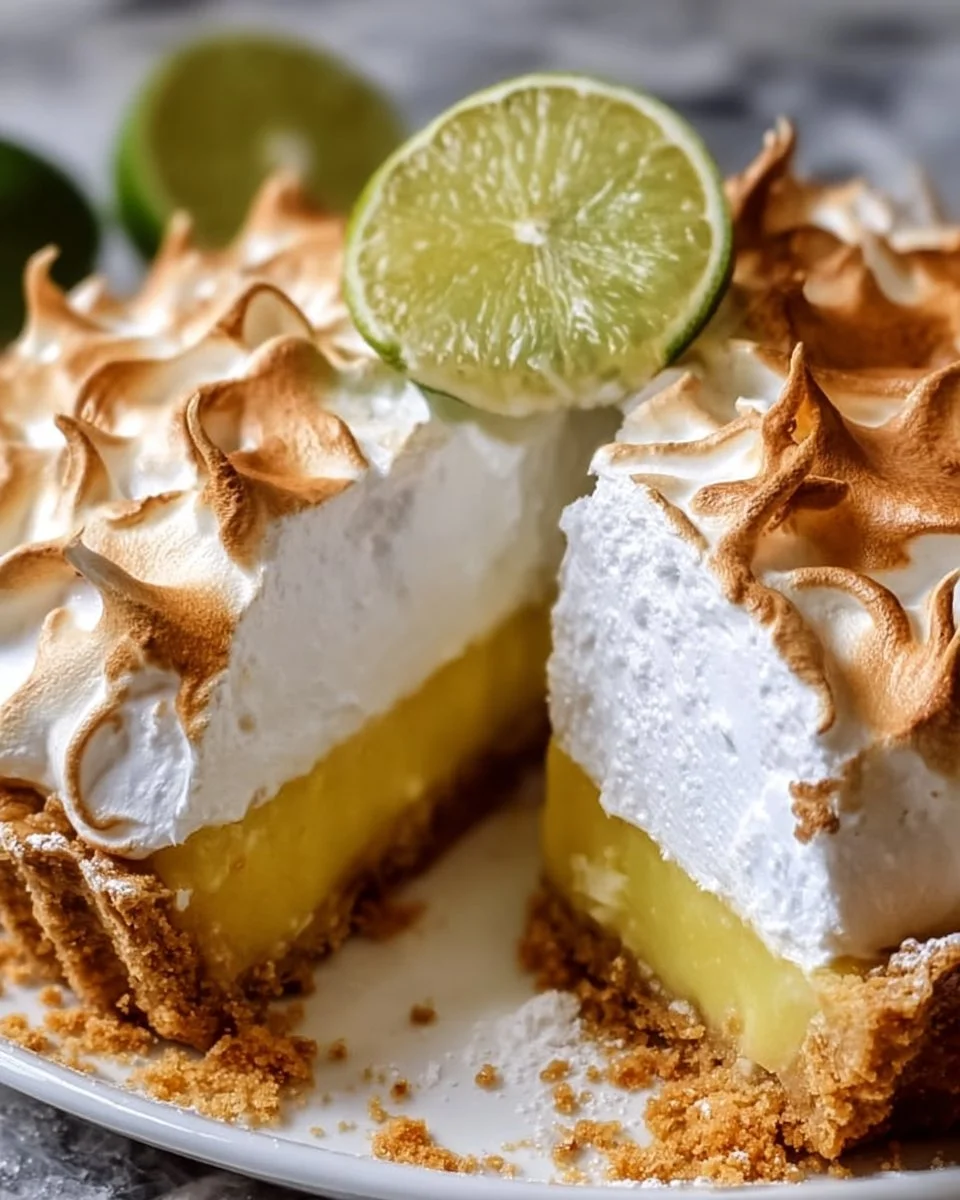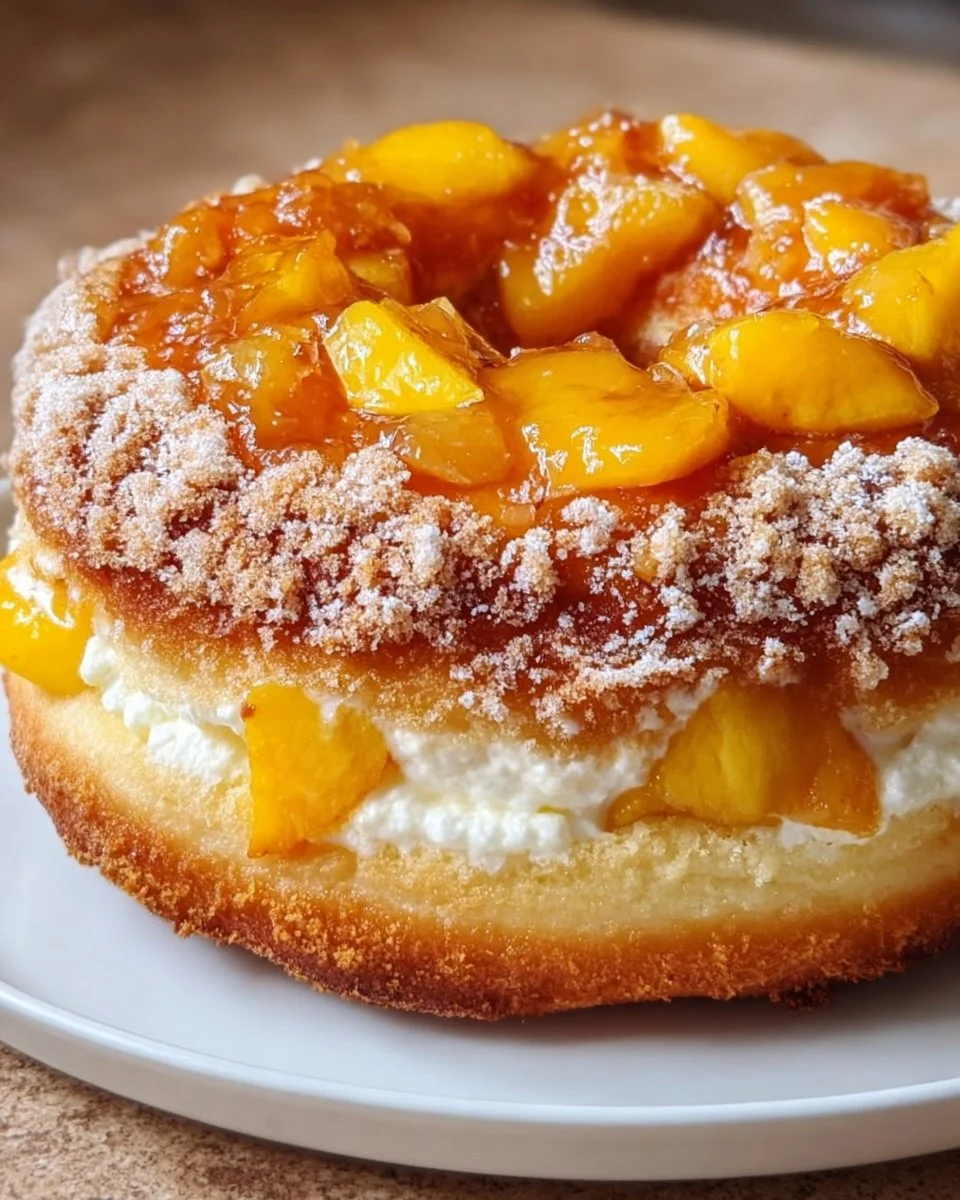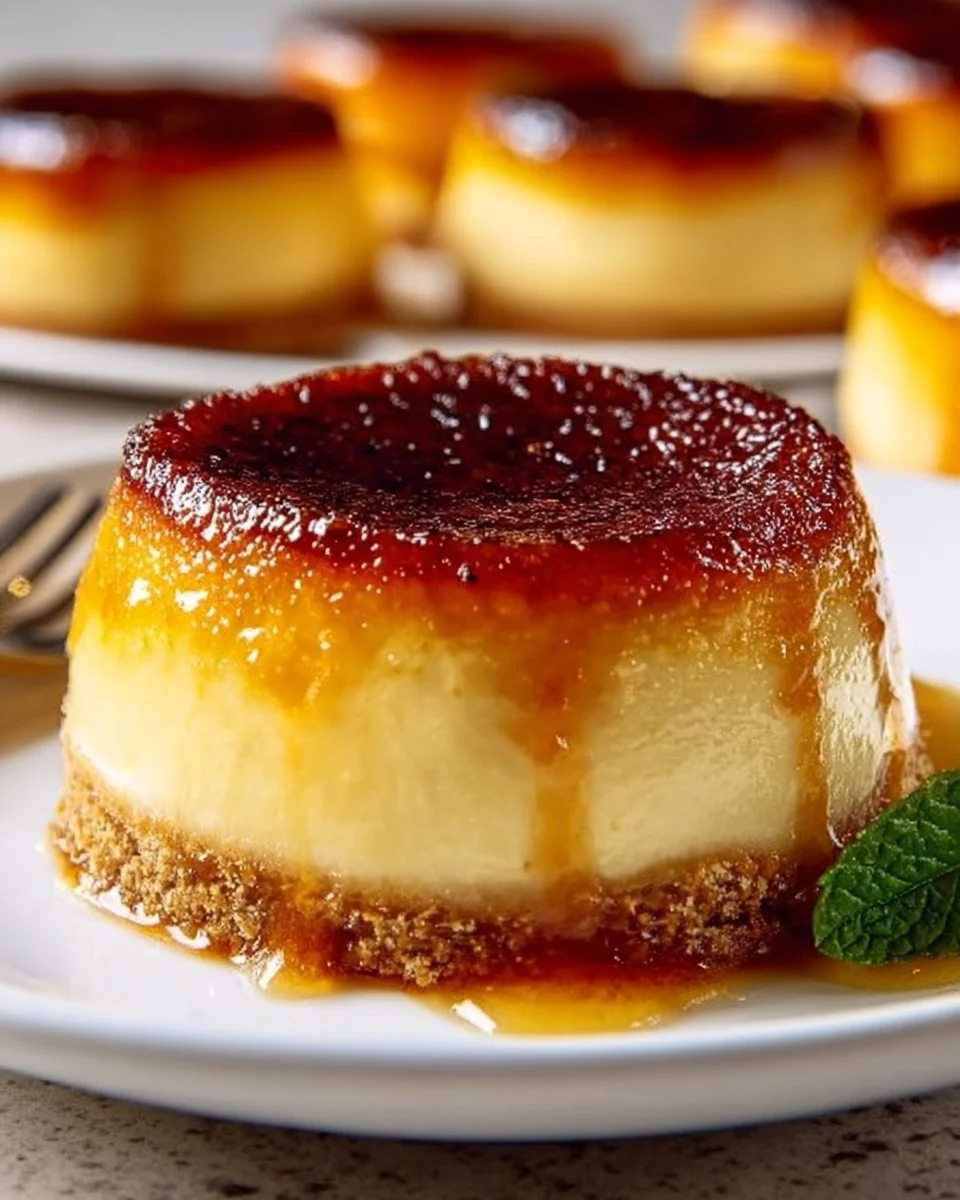
The first bite of this Burnt Cream Cheesecake surprises you: the caramelized sugar snaps under the spoon with a whisper, revealing a silken, custardy center that melts on your tongue. It blends the best of two worlds—creamy New York–style cheesecake richness and the smoky, burnt-sugar perfume of a classic crème brûlée—into a single, elegant dessert. Warm vanilla and toasted caramel notes rise with every forkful, while the buttery graham crust gives a gentle, comforting crunch beneath the velvet filling.
Make it for a dinner party, a holiday table, or a quiet Sunday when you want to feel a little indulgent. The contrast between the glossy, crackly top and the lush, dense interior makes each plate look as if it came from a bakery. If you love layered, textural desserts like the gorgeous baklava pistachio cheesecake, this fusion of crème brûlée and cheesecake will steal your heart.
Why You’ll Love This Burnt Cream Cheesecake
This cheesecake stands out because it delivers two sensory experiences at once: the immediate thrill of caramelized sugar that shatters like glass, and the slow, luxurious satisfaction of a creamy, smooth cheesecake beneath. The filling stays rich without feeling heavy, thanks to the heavy cream and tempered eggs, while the graham cracker base adds a toasty counterpoint.
Serve it when you want an elegant finale with minimal fuss. You don’t need complicated decorations—just a torch and a steady hand—and the dessert will look and taste spectacular. It suits celebrations and cozy evenings alike: it feels celebratory but never fussy.
Preparation Phase & Tools to Use
Great desserts start with the right tools. Here’s what matters and why:
- 9-inch springform pan: This lets you unmold the cheesecake cleanly so the crisp brûlée top remains unblemished.
- Electric mixer or stand mixer: Use it to beat cream cheese to a velvety smoothness; avoiding lumps makes the texture luxuriously creamy.
- Mixing bowls (medium and large): Keep wet and dry components organized to prevent overworking the batter.
- Rubber spatula: Essential for folding ingredients gently and scraping bowls completely.
- Kitchen torch: This creates the signature burnt-sugar crust quickly and precisely; it gives better control than a broiler.
- Baking sheet: Place the springform pan on it to catch any drips and make transferring to the oven easy.
- Instant-read thermometer (optional): Check doneness by ensuring the center registers around 150–155°F (65–68°C) for a just-set finish.
Preparation tips:
- Soften your cream cheese at room temperature for about an hour so it blends smoothly. Cold blocks create lumps and an overworked batter.
- Measure ingredients precisely. Cheesecakes respond strongly to changes in ratios.
- Preheat the oven fully and line the base of your springform pan with parchment for an extra-easy release.
Ingredients for Burnt Cream Cheesecake
- 1 ½ cups graham cracker crumbs
- ½ cup sugar (for crust)
- ½ cup unsalted butter, melted
- 3 (8 oz) packages cream cheese, softened
- 1 cup sugar (for filling)
- 3 large eggs
- 1 teaspoon vanilla extract
- 1 cup heavy cream
- ¼ cup sugar (for caramelizing topping)
Key ingredients and substitutions:
- Cream cheese: Use full-fat blocks for the creamiest texture. Neufchâtel can work in a pinch but yields a slightly tangier, softer result.
- Heavy cream: Adds silkiness and lightens the batter. You can substitute a mix of half-and-half plus a tablespoon of cornstarch if needed, but texture may vary.
- Graham cracker crumbs: Swap for digestive biscuits or speculoos for a spicier crust.
- Sugar for topping: Use regular granulated sugar; superfine sugar melts faster and more evenly, giving a smoother brûlée crust.
How to Make Burnt Cream Cheesecake
-
Preheat the oven to 325°F (160°C). Position a rack in the center of the oven and prepare a 9-inch springform pan by wrapping the outside with foil if you plan to use a water bath (optional), then press the crust mixture into the bottom. Tip: Press the crust firmly—use the bottom of a measuring cup to compact it evenly so it holds together when slicing.
-
Make the crust: In a medium bowl, mix 1 ½ cups graham cracker crumbs, ½ cup sugar, and ½ cup melted unsalted butter until the texture resembles wet sand. Press this mixture evenly into the bottom of the springform pan and about ½ inch up the sides if you like a bit of edge. Chill the crust for 10–15 minutes to set while you make the filling.
-
Prepare the filling: In a large mixing bowl, beat the softened cream cheese and 1 cup sugar on medium speed until the mixture becomes smooth and free of lumps—about 2–3 minutes. Scrape the bowl often. Add the eggs one at a time, mixing on low speed after each addition until just combined; overbeating introduces air that can cause cracks. Mix in 1 teaspoon vanilla extract.
-
Finish the batter: Slowly stir in 1 cup heavy cream until the batter becomes silky and pours smoothly. Avoid whipping vigorously; you want a dense, custardy texture rather than airy mousse.
-
Bake: Pour the cheesecake mixture over the chilled crust in the springform pan. Smooth the top with a spatula. Place the pan on a baking sheet and bake for about 50–60 minutes, or until the edges appear set and the center jiggles slightly when you gently shake the pan. The center will continue to set as it cools. Tip: If you notice the top browning too quickly, tent loosely with foil.
-
Cool and chill: Allow the cheesecake to cool completely on a wire rack, about 1–2 hours, then refrigerate for at least 4 hours or overnight to develop flavor and achieve a clean slice.
-
Caramelize the top: When ready to serve, sprinkle ¼ cup sugar evenly over the chilled cheesecake surface. Hold a kitchen torch about 2–3 inches from the sugar and move in small circles to melt and caramelize until the sugar turns a deep golden brown with a few darker flecks. Tip: If you don’t have a torch, you can place the sugared cheesecake briefly under a very hot broiler—watch constantly and rotate for even color.
-
Rest and serve: Let the caramelized top cool for one to two minutes so it hardens into a crackly shell, then slice with a hot, dry knife for neat pieces. Wipe the knife between cuts. Enjoy immediately.
Chef’s Notes & Helpful Tips
- Make-ahead: Bake the cheesecake a day ahead and chill overnight to let flavors meld. Caramelize the top just before serving so the crackle stays fresh.
- Water bath alternative: For an ultra-silky texture and fewer cracks, bake your springform pan in a water bath. Wrap the pan’s outside in foil to prevent leaks and set it in a larger pan filled halfway with hot water.
- Air fryer note: If you have a large air fryer that fits a springform pan, bake at 325°F but check doneness 10–15 minutes earlier; airflow can speed cooking. Expect slightly different browning.
- Torch-free caramel: Use the broiler on high, placing the cake near the element for 1–3 minutes. Rotate frequently and monitor closely to avoid burning.
- Flavor twists:
- Citrus: Add 1 teaspoon finely grated lemon or orange zest to the filling for brightness.
- Espresso: Fold in 1 tablespoon instant espresso dissolved in a tablespoon of hot water for a coffee-kissed profile.
- Boozy: Beat in 1–2 tablespoons of bourbon, rum, or amaretto for a warm, boozy depth.
- Serving tip: Run a hot knife under warm water and dry it before each slice to achieve clean, glossy cuts through the caramelized top.
Common Mistakes to Avoid
- Overbeating the cream cheese: Whipping too long incorporates air that causes cracks and an uneven texture. Beat only until smooth and scrape the bowl frequently.
- Adding cold eggs: Cold eggs can cause lumps. Bring eggs to room temperature for a smoother batter and even baking.
- Skipping the chill time: Cutting into the cheesecake before it fully chills yields a soft, unstable slice. Refrigerate at least 4 hours, preferably overnight.
- Torching too close or too long: Holding the torch too close burns the sugar or scorches the filling. Keep the flame moving and about 2–3 inches away.
- Using the wrong sugar for the crust: Powdered sugar adds moisture and won’t bind a crust well. Use granulated or finely crushed cookies.
- Not protecting the pan in a water bath: If you use a water bath, wrap the pan securely in foil. A leak ruins the crust and filling textures.
What to Serve With Burnt Cream Cheesecake
- Fresh berries (strawberries, raspberries, or blueberries): Their brightness cuts through the richness and adds a fresh, tart contrast.
- Citrus segments and zest: Orange or blood orange slices enhance vanilla and caramel notes with lively acidity.
- Espresso or dark roast coffee: The bitterness of coffee complements the sugar and cream, balancing the dessert.
- Salted caramel sauce: A drizzle amplifies the burnt-sugar flavor for caramel lovers.
- Whipped cream lightly sweetened: A cloud of softly sweetened whipped cream adds lift and airiness.
- Toasted nuts (almonds or pistachios): Add a crunchy, nutty textural counterpoint that echoes the crust.
- Port or late-harvest wine: These sweet wines mirror the dessert’s richness and add fruity complexity.
- Shortbread cookies or biscotti: Serve on the side for additional crunch and a charming presentation.
Storage & Reheating Instructions
- Refrigerator: Store leftover cheesecake covered tightly with plastic wrap or in an airtight container for up to 4 days. The brûlée shell may soften slightly but will still taste delicious.
- Freezer: To freeze slices, wrap individual pieces tightly in plastic wrap and then foil; freeze up to 2 months. Thaw overnight in the refrigerator before serving. Note: The caramelized top will lose its crispness after freezing.
- Reheating: If you want to revive the crackle on chilled cheesecake, sprinkle a little extra sugar and briefly torch the top again. Avoid microwave reheating; it softens the filling unevenly. If you must warm a slice, tent it with foil and heat in a 300°F (150°C) oven for 5–8 minutes, watching closely.
Estimated Nutrition Information
Approximate per slice (assuming 12 slices):
- Calories: ~420–520 kcal
- Fat: ~34–40 g
- Saturated fat: ~20–24 g
- Carbohydrates: ~28–35 g
- Sugar: ~20–28 g
- Protein: ~6–8 g
Disclaimer: These values are estimates only. Nutritional content will vary with ingredient brands, portion sizes, and any substitutions.
FAQs
Q: Can I bake this cheesecake without a water bath?
A: Yes. You can bake it without a water bath; it will still taste fantastic. Without the bath, watch the oven temperature carefully and avoid overbaking to reduce cracking. A slightly lower oven and steady heat will help the center set gently. If you’re worried about cracks, use a water bath for the silkiest, most professional result.
Q: How do I prevent the top from cracking?
A: Prevent cracks by avoiding overmixing and overbaking. Mix on low speed and stop when ingredients are just combined. Remove the cake from the oven when the edges are set and the center still jiggles a bit. Let it cool gradually at room temperature before chilling. A warm water bath during baking also moderates oven temperature and reduces cracking.
Q: Can I make mini cheesecakes with this recipe?
A: Absolutely. Divide the crust and batter among lined muffin tins or mini springform pans. Reduce baking time—start checking at 20–25 minutes—and look for set edges and a slightly wobbly center. Chill thoroughly before torched topping. Mini versions make lovely individual desserts for parties.
Q: My caramelized top went soft after refrigeration. How can I fix it?
A: Refrigeration can soften the caramel shell over time. To refresh the crackle, sprinkle a thin, even layer of sugar and torch it briefly right before serving. This re-crystallizes the sugar and restores the signature snap.
Q: Is there a vegetarian or gluten-free adaptation?
A: For vegetarian diets, this recipe already suits most vegetarians (no gelatin or animal rennet). For a gluten-free version, use gluten-free graham-style crumbs or finely ground gluten-free cookies for the crust. Ensure all other ingredients carry gluten-free labels if cross-contamination is a concern.
Conclusion
This Burnt Cream Cheesecake delivers theater and comfort in every slice: the dramatic crack of caramelized sugar, the pillow-soft creaminess beneath, and a buttery crust that ties it all together. It suits special celebrations and quiet nights when you want to savor something truly luxurious. If you’re curious about other recipes that marry custard and cheesecake elements, check out this inspired take on a classic at Crème Brûlée Cheesecake – Pies and Tacos. Now light your torch, listen for that satisfying crack, and enjoy every decadent spoonful.
Print
Burnt Cream Cheesecake
- Prep Time: 30 minutes
- Cook Time: 60 minutes
- Total Time: 90 minutes
- Yield: 12 servings 1x
- Category: Dessert
- Method: Baking
- Cuisine: French
- Diet: Vegetarian
Description
A luxurious fusion of creamy New York-style cheesecake and the crispy, burnt sugar topping of crème brûlée, delivering two delightful textures in every bite.
Ingredients
- 1 ½ cups graham cracker crumbs
- ½ cup sugar (for crust)
- ½ cup unsalted butter, melted
- 3 (8 oz) packages cream cheese, softened
- 1 cup sugar (for filling)
- 3 large eggs
- 1 teaspoon vanilla extract
- 1 cup heavy cream
- ¼ cup sugar (for caramelizing topping)
Instructions
- Preheat the oven to 325°F (160°C). Prepare a 9-inch springform pan by wrapping the outside with foil if using a water bath.
- Mix 1 ½ cups graham cracker crumbs, ½ cup sugar, and ½ cup melted unsalted butter in a medium bowl until resembling wet sand. Press into the bottom of the springform pan.
- Chill the crust for 10–15 minutes.
- Beat softened cream cheese and 1 cup sugar on medium speed until smooth, about 2–3 minutes.
- Add eggs one at a time, mixing on low speed until just combined.
- Mix in 1 teaspoon vanilla extract.
- Stir in 1 cup heavy cream until silky.
- Pour the mixture over the chilled crust and smooth the top.
- Bake for 50–60 minutes until edges are set and center jiggles slightly.
- Cool on a wire rack for 1–2 hours, then refrigerate for at least 4 hours or overnight.
- Sprinkle ¼ cup sugar evenly on the chilled cheesecake. Use a kitchen torch to caramelize the sugar until golden brown.
- Slice with a hot knife and enjoy.
Notes
Chill for several hours or overnight for best flavor. Caramelize the top just before serving for optimal crackle.
Nutrition
- Serving Size: 1 slice
- Calories: 450
- Sugar: 22g
- Sodium: 300mg
- Fat: 38g
- Saturated Fat: 24g
- Unsaturated Fat: 11g
- Trans Fat: 0g
- Carbohydrates: 29g
- Fiber: 1g
- Protein: 7g
- Cholesterol: 160mg